
On the fourth week of April my true love gave to me, 500 frogs a croaking, four [dozen] calling birds, three rich fens, two mourning doves, and a partridge in the Great Plains.
Minnesota is home to 14 species of frogs and toads. During the spring, their chorus rings out as the males search for females and compete to present themselves as the most attractive option with whom to settle down and make a few thousand babies. Because each species has a distinctly different call, you can determine which types of frogs live in your area simply by listening to their symphony.
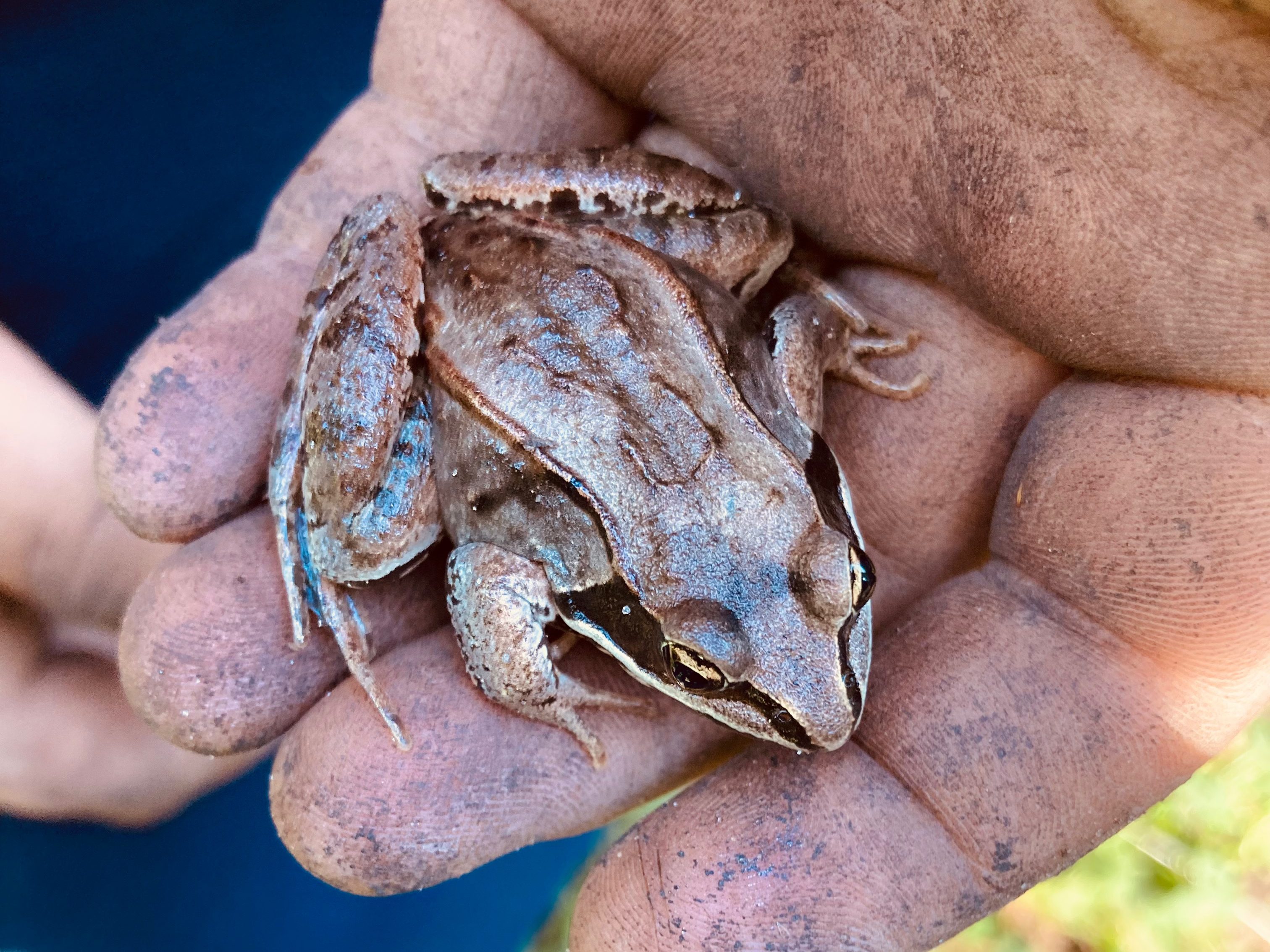
The first species to begin calling in the spring are wood frogs and chorus frogs, both of which sing from late March through late April. Wood frogs are medium sized and tannish-brown, with a black stripe across their face that sort of looks like a raccoon mask. As the name implies, they live in forested areas and can be found both in and out of the water. Wood frogs breed in wetlands, lakes, and backwaters, and overwinter under fallen leaves. Most amusingly, they sound like a flock of quacking ducks.
Chorus frogs are much smaller (only about an inch long) and make a spooky sound like “creeeeeeek….creeeeeek.” They’re also fairly opportunistic about habitats to call home and can be found in wetlands, farm fields, woods, and even cities. Like many other species of frogs and salamanders, chorus frogs lay their eggs in ephemeral wetlands that usually only exist in the spring.

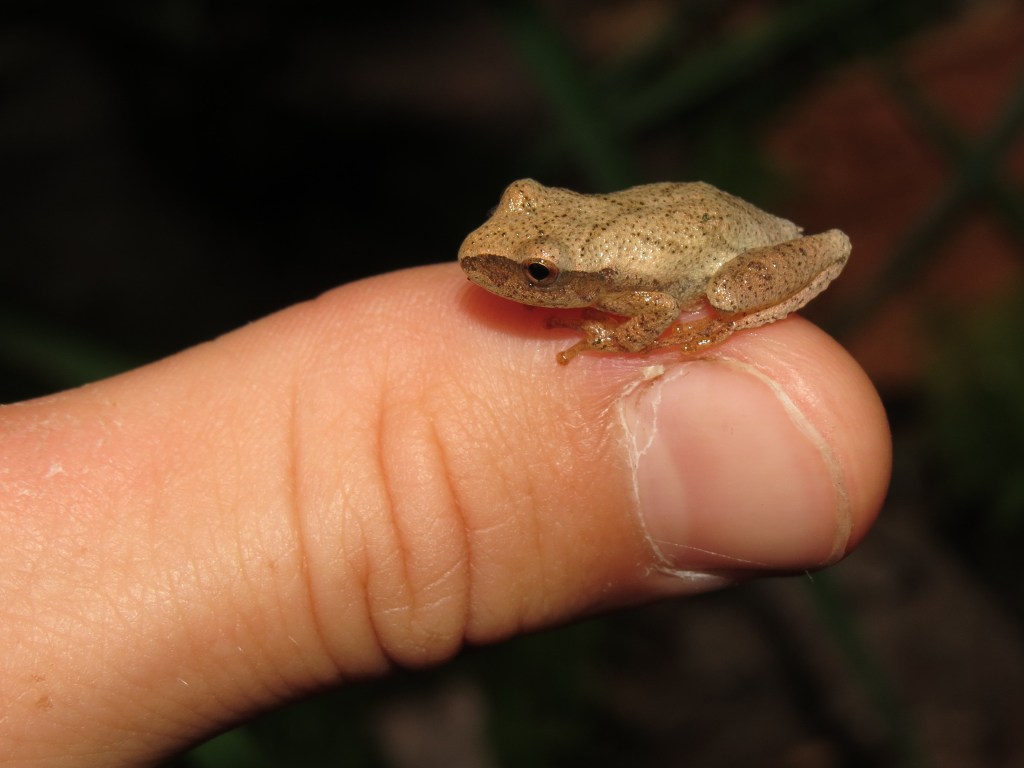
Now that we are solidly into April, spring peepers and leopard frogs are also calling. Spring peepers are another tiny frog and they make a loud, high-pitched peep. They live in wooded areas and breed in ephemeral wetlands. Leopard frogs are probably the most common type of frog you’ll see when out and about in Minnesota. They are 2-3 inches long and green with black spots. During the summer, you’ll find leopard frogs along the edges of lakes and ponds. At this time of year, however, they stick to marshes where they can lay their eggs (6000 in a mass!) among the reeds and grasses, out of reach of hungry fish. It’s hard to verbally describe what they sound like, but it’s sort of like an old man snoring.

In addition to singing us gentle lullabies on spring and summer evenings, frogs and toads are also part of the web of life. They are food for great blue herons, egrets, and even mink. Tadpoles eat large amounts of algae and plankton, helping to keep the water clear, while adult frogs and toads eat a wide variety of creepy crawlies, including insects, slugs and snails. One toad can eat 10,000 bugs and slugs in a single summer!
As Kermit likes to remind us, however, it’s not always easy being green. Amphibians are vulnerable to pollution from fertilizers and pesticides because they have porous skin that can absorb chemicals in water. These chemicals are especially deadly in the spring and early summer when frogs are laying eggs and tadpoles are hatching. Like other wildlife, frogs are also impacted by habitat loss due to the relentless spread of agriculture and development. As a result, populations of many frogs and toads have declined or even vanished in recent decades.
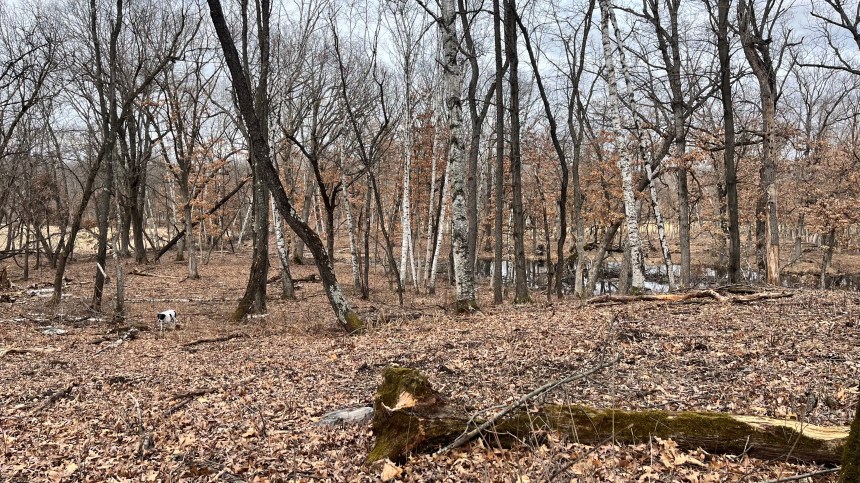
There are a few things you can do at your home to help preserve our froggy Figaro. First, take note of places on your property where you typically see standing water during the spring. These might be in a patch of woods or even a low spot in your yard. Be careful not to disturb these seasonal wetlands, as they provide important breeding habitat, and, if your low spot is currently covered in turf, consider replanting with native plants and shrubs to provide better habitat.


If you are near a lake or wetland, avoid mowing and try to leave a buffer of natural vegetation at least 15ft wide between the edge of your lawn and the water. Good plants for lake and wetland edges include sedges, blue flag iris, swamp milkweed, joe-pye weed, cardinal flower, black-eyed susans, and ferns. Check out the “Plant Finder” tool at www.BlueThumb.org for other species recommendations. It’s also nice to leave a few fallen trees and logs in the water to provide shelter for the frogs, as well as a place to bask in the sun.
Finally, limit the amount of chemicals you use on your lawn and gardens in order to avoid polluting nearby waterways or impacting frogs and wildlife.


